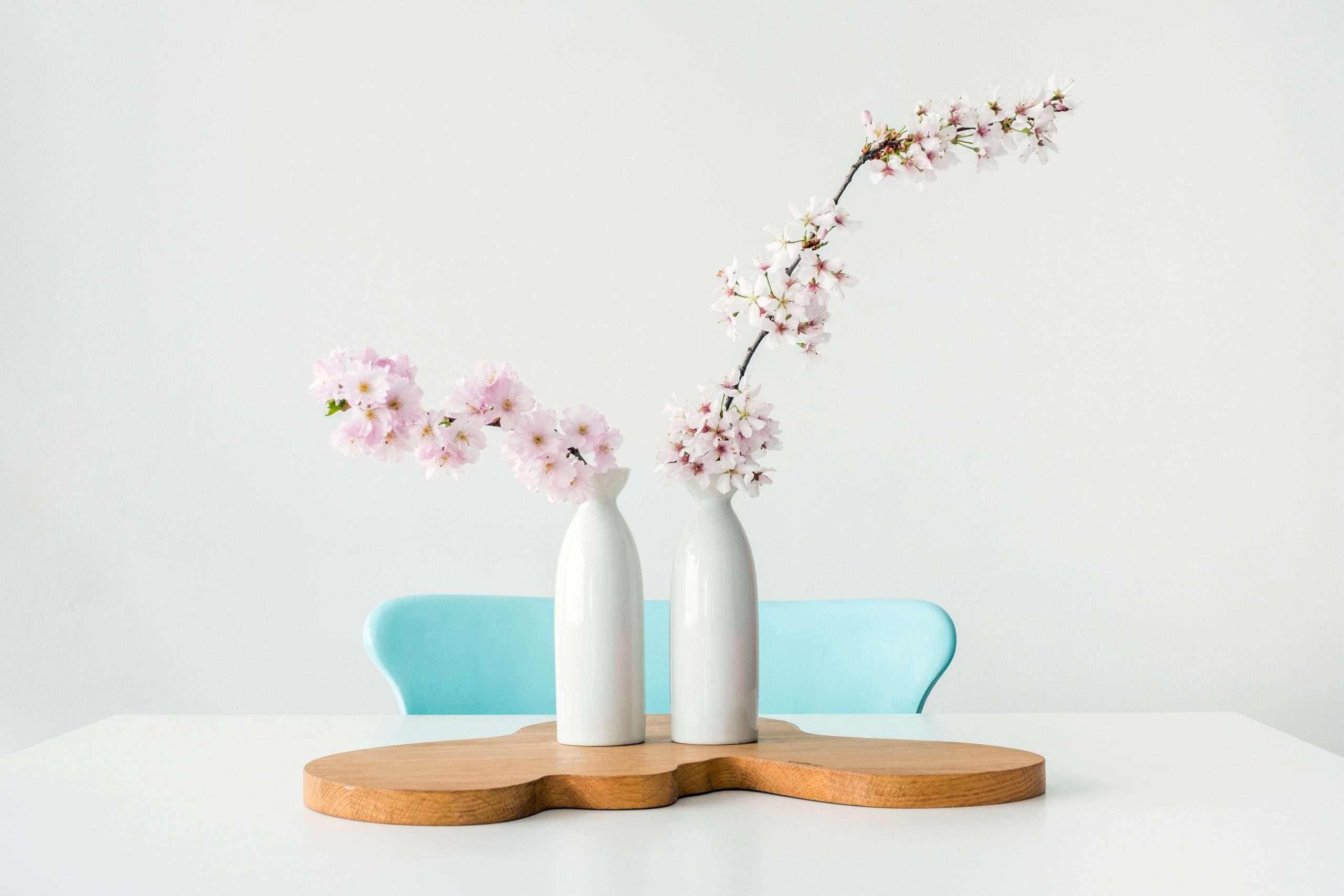
If you’ve ever visited Japan, you may have come across the term “Kado” (華道).
Kado is a traditional Japanese art form that involves arranging flowers to express the harmony and beauty of nature. But have you ever wondered how Kado originated and developed over time?
Let’s dive into the rich history and charm of this fascinating art.
The Origins of Kado: The Roots of Japan’s Flower Culture
The origins of Kado date back to the 6th century, during the time when Buddhism was introduced to Japan. At that time, Buddhist temples conducted rituals to offer flowers to the Buddha, known as “kue” (供花). This practice marked the beginning of Kado.
Later, during the Muromachi period, the act of arranging flowers evolved beyond religious rituals and began to be recognized as an art form. It was during this period that the foundations of Kado were established, and the “Ikenobo” school, based in Kyoto, was born.
From Religious Ritual to Art
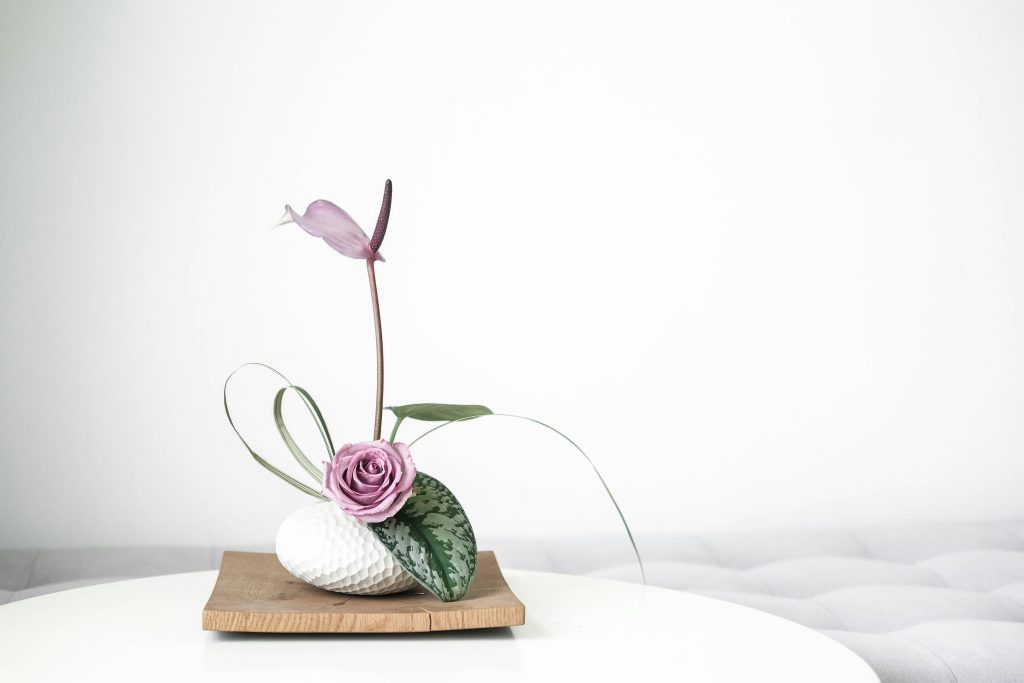
The monks of Ikenobo emphasized not just offering flowers but also recreating the beauty of nature through composition and balance. This approach led to the gradual development of Kado into a unique art form with its own philosophy and structure.
Kado places great importance on “harmony with nature.” Every arrangement of flowers and branches carries deep meaning, expressing seasonal themes and the overall balance of the space.
The fundamental styles of Kado include “Rikka” (standing flowers), “Moribana” (piled flowers), and “Jiyuka” (free-style flowers).
Schools of Kado and Their Characteristics
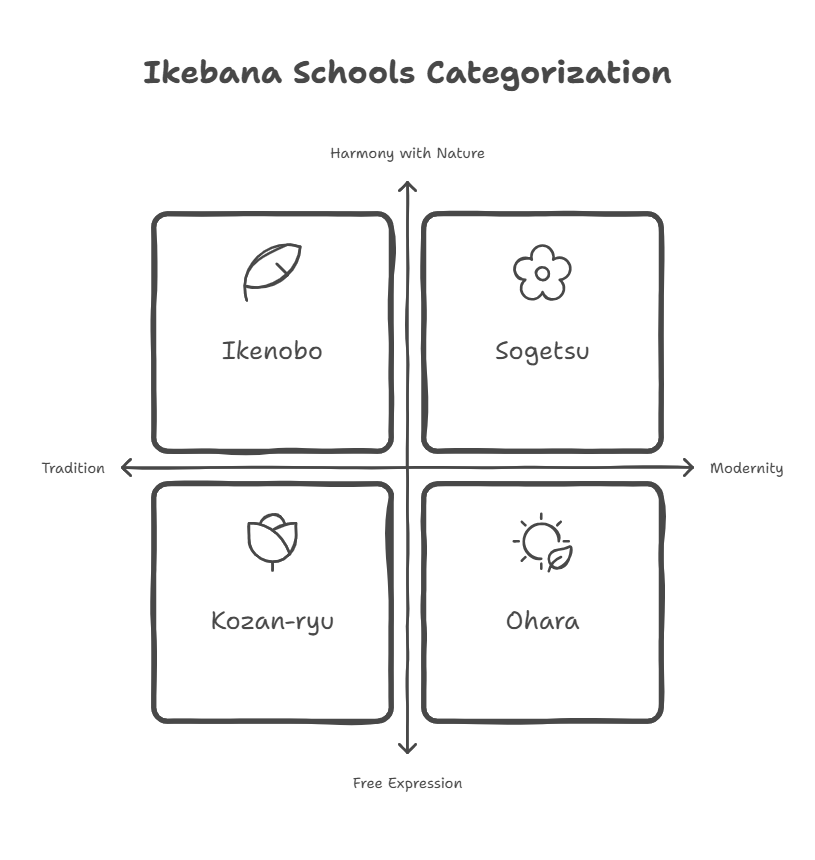
Kado encompasses various schools, each with its own distinct style and philosophy. Prominent schools include:
- Ikenobo: The oldest school, which values tradition while incorporating modern approaches.
- Sogetsu: A school that emphasizes free expression and has a strong contemporary art focus.
- Ohara: Known for its unique style that incorporates vibrant colors and natural landscapes.
- Kozan-ryu: A relatively newer school that, like other traditional schools, emphasizes harmony with nature while showcasing its unique style and aesthetics.
Kado’s Global Reach
In recent years, Kado has spread beyond Japan and attracted many admirers around the world. Kado classes and workshops are held in major cities globally, where it is recognized as a key part of Japanese culture. Prestigious exhibitions showcasing top-tier works also draw many international visitors.
The connection between Kado and Europe developed as Japanese culture spread to the West, influencing arts and design. This began with the Japonisme movement in the late 19th century.
European artists and designers, inspired by Japanese woodblock prints and crafts, were captivated by their simplicity, refined aesthetics, and emphasis on harmony with nature. Kado gained attention as part of this trend, offering new perspectives to European art and interior decoration. Its philosophy of respecting natural forms and utilizing space greatly influenced styles such as Art Nouveau and Art Deco.
Fusion with European Culture
By the 20th century, Kado had become a way for Europeans to learn about Japanese culture. Major schools such as Ikenobo, Sogetsu, and Ohara established classes across Europe, teaching the techniques and philosophy of Kado to local enthusiasts.
It became especially popular in France, Germany, and the United Kingdom, where Kado transitioned from being a mere introduction to Japanese culture to becoming part of modern lifestyles and art.
Regular exhibitions and events further popularized Kado, allowing European audiences to experience its profound spirituality and refined beauty.
The relationship between Kado and European culture also shows a process of mutual influence and integration. For example, European flower arrangements began to adopt Kado’s concept of “Ma” (space) and natural, asymmetrical compositions.
This shift enabled more creative and unique expressions compared to traditional symmetrical designs. Additionally, modern European art has been influenced by Kado’s philosophy, creating works that skillfully utilize nature and space.
The Difference Between Ikebana and Kado
“Ikebana” and “Kado” are often confused, but they have distinct meanings.
- Ikebana refers to the act of arranging flowers.
- Kado is the comprehensive art form that encompasses Ikebana, focusing on philosophy and spirituality.
Kado is not merely about flower placement—it is a profound art form that reflects Japan’s worldview and culture.
Kado Today: Art and Healing
In contemporary times, Kado is not only appreciated as an art form but also as a means of relaxation and mindfulness. Engaging with Ikebana allows people to connect with nature and find moments of peace amidst their busy lives.
Kado represents Japan’s aesthetic values, pursuing harmony with nature and the beauty of simplicity. By understanding its history and philosophy, one can truly appreciate the depth of Kado. If you ever visit Japan, be sure to experience the charm of Kado firsthand.

Comments