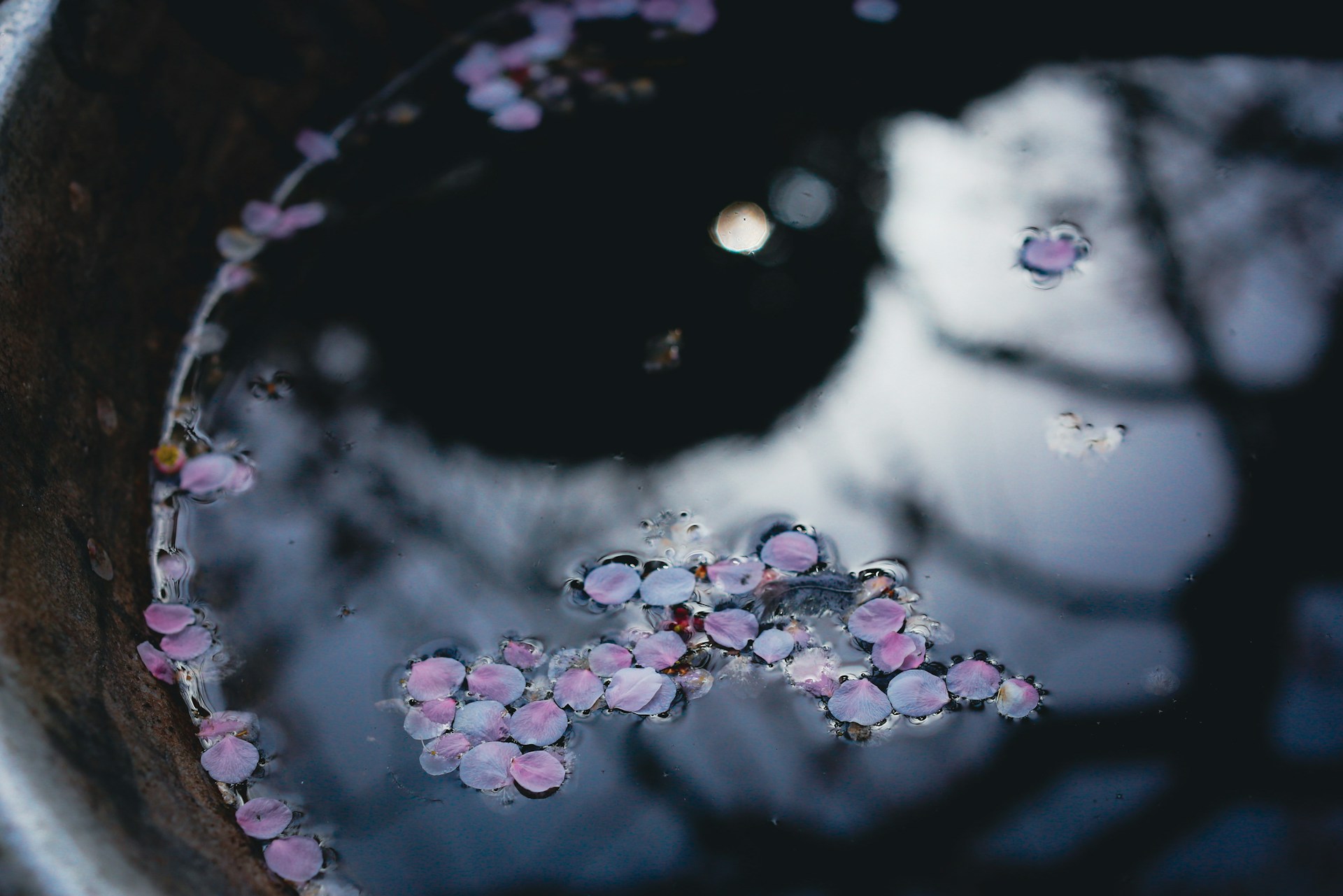
In today’s fast-paced world, wabi-sabi stands out as a distinctly Japanese aesthetic philosophy that has garnered global attention. Its essence lies not in extravagance or perfection but in finding beauty within imperfection and impermanence. Wabi-sabi transcends mere aesthetics, offering profound insights into nature, life, and the passage of time. This article delves into its origins, philosophy, and relevance in modern society.
What is Wabi-Sabi?
Wabi-sabi is an aesthetic ideal composed of two interrelated concepts: wabi and sabi. Together, they form a philosophy that appreciates the beauty of imperfection and ephemerality. Rooted in Zen Buddhism, this philosophy underpins much of Japanese culture and art.
- Wabi: The beauty found in simplicity and austerity. It celebrates the richness of a modest, unmaterialistic life.
- Sabi: The beauty of aging and decay, emphasizing the charm of weathered and timeworn objects.
These two ideas merge to create a philosophy that values inner richness, balance, and harmony.
The Differences and Synergy Between Wabi and Sabi
The Origin and Meaning of Wabi
Wabi derives from the ancient Japanese verb wabiru, which initially conveyed feelings of desolation or struggle. Over time, its meaning evolved to reflect the acceptance of simplicity and humility as virtues. In the tea ceremony, wabi-cha, pioneered by Sen no Rikyu, exemplifies this philosophy by favoring simplicity and spiritual richness over ostentation.
The Origin and Meaning of Sabi
Sabi originates from the verb sabu, meaning to age or deteriorate. It evolved to signify the appreciation of beauty that emerges with age and wear. Poet Matsuo Basho embodied sabi through his haiku, capturing the quiet beauty of nature and transience. His famous work, “An old pond; a frog jumps in—water’s sound”, perfectly encapsulates the serene and unadorned beauty of sabi.
The Synergy of Wabi and Sabi
While wabi focuses on spiritual simplicity, sabi celebrates the passage of time. Together, they create a harmonious aesthetic that transcends time and materiality, offering a universal lens through which beauty is perceived.
Wabi-Sabi in Practice: Tea Ceremony and Haiku
Tea Ceremony
The tea ceremony, especially the wabi-cha style, reflects wabi-sabi’s principles through its austere tearooms and handcrafted tea bowls. Its focus on spiritual connection over material display epitomizes the essence of wabi-sabi.
Haiku
Haiku poetry distills the essence of wabi-sabi, encapsulating fleeting moments of nature and life. Basho’s haiku often capture the stillness and ephemerality central to this philosophy, serving as a gateway to understanding wabi-sabi.
The Modern Relevance of Wabi-Sabi
In a world dominated by speed and perfectionism, wabi-sabi’s philosophy is gaining traction as a counterbalance. By embracing imperfection and simplicity, it offers a pathway to inner peace and mindfulness.
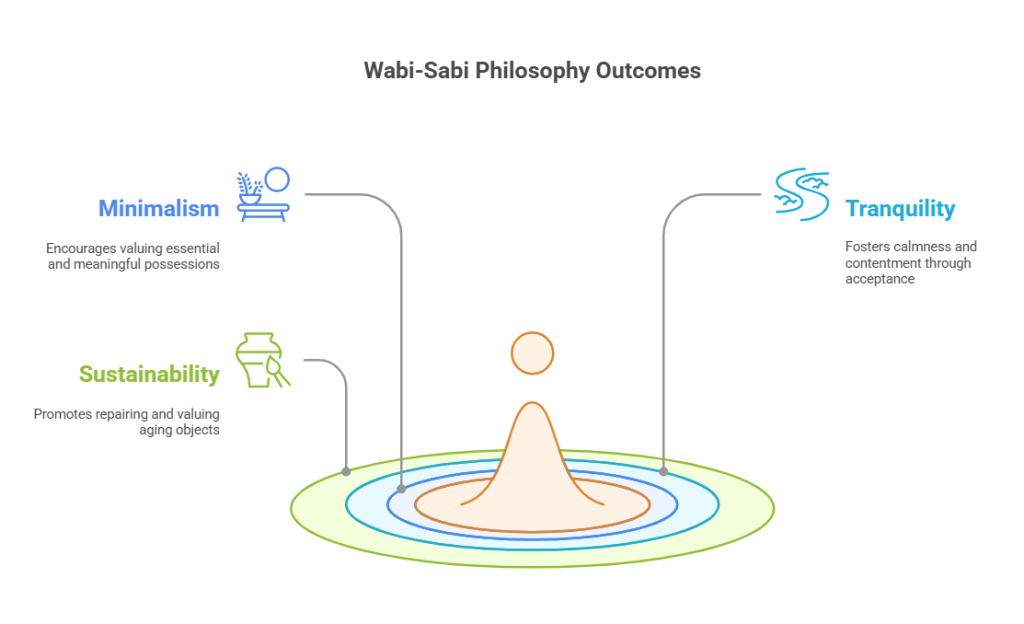
- Connection to Minimalism: Wabi-sabi aligns with minimalist values, encouraging people to cherish only what is essential and meaningful.
- Cultivating Tranquility: Accepting the impermanence of life fosters a sense of calm and contentment, promoting mental well-being.
- Sustainability: The philosophy of repairing and appreciating aging objects, such as kintsugi (repairing broken pottery with gold), aligns with modern values of sustainability and reducing waste.
How to Experience Wabi-Sabi
Here are practical ways to embrace and experience wabi-sabi:
- Participate in a Tea Ceremony: Immerse yourself in the simplicity and tranquility of a wabi-cha tea ceremony.
- Observe Nature: Spend time in a Japanese garden or natural environment, noticing details like moss-covered stones or autumn leaves.
- Practice Kintsugi: Attend a workshop on kintsugi to appreciate the beauty of repaired, imperfect objects.
- Write Haiku: Capture moments of impermanence and subtle beauty through haiku poetry.
- Simplify Your Space: Adopt minimalist design principles to create a serene, uncluttered environment.
Wabi-Sabi and Europe: Commonalities and Influence
Respect for Nature
Traditional European art and philosophy also emphasize harmony with nature. Movements like the English “Picturesque” or Romanticism value the untamed and imperfect beauty of natural landscapes, closely aligning with wabi-sabi’s principles. Similarly, French Impressionism, with its focus on capturing fleeting moments of light and atmosphere, echoes the transient beauty celebrated in wabi-sabi.
Valuing the Old
In Europe, preserving historical buildings and artifacts often includes embracing their weathered appearance. Terms like “patina,” used to describe the beauty of aged surfaces, highlight the European appreciation for timeworn objects—a concept deeply connected to the “sabi” element of wabi-sabi.
The Rise of Minimalism
The simplicity and modesty of wabi-sabi strongly influence the growing minimalist lifestyle and design trends in Europe. The idea of finding beauty in simplicity and practicality resonates with those seeking a more meaningful, less materialistic way of living.
How to Learn Wabi-Sabi
Wabi-sabi is not merely an intellectual concept; it is best understood through experience. Here are practical steps to explore and embrace this philosophy:
Study Zen Philosophy
Wabi-sabi is deeply rooted in Zen Buddhism. Learning about Zen teachings through books, meditation, or temple visits can provide insights into concepts like impermanence and tranquility.
Experience the Way of Tea (Chanoyu)
Japanese tea ceremonies offer a direct encounter with wabi-sabi. Particularly, “wabi-cha” emphasizes simplicity, modesty, and spiritual richness over material opulence.
Spend Time in Nature
Engage with the natural world by visiting gardens, forests, or even observing everyday phenomena like falling leaves or morning dew. Japanese gardens, with their moss-covered stones and asymmetrical design, exemplify wabi-sabi’s aesthetic.
Explore Traditional Japanese Crafts
Participate in workshops for crafts like pottery, kintsugi (the art of repairing broken pottery with gold), or lacquerware. These hands-on experiences provide a deeper appreciation for imperfection and the value of preservation.
Write or Read Haiku
Haiku poetry condenses the essence of wabi-sabi into a few words, capturing the transient beauty of nature and the passage of time. Try creating your own haiku or reading works by masters like Matsuo Basho.
Wabi-sabi symbolizes the deep spirituality of Japanese culture while harmonizing with European appreciation for nature, aging, and simplicity. Its core philosophy—embracing imperfection and finding value in the transient—has universal relevance. By exploring wabi-sabi, whether through traditional Japanese arts or in everyday life, one can uncover a new perspective on beauty, fostering a sense of gratitude and serenity. Even in Europe, the timeless allure of wabi-sabi continues to inspire and enrich lives across cultures.

コメント