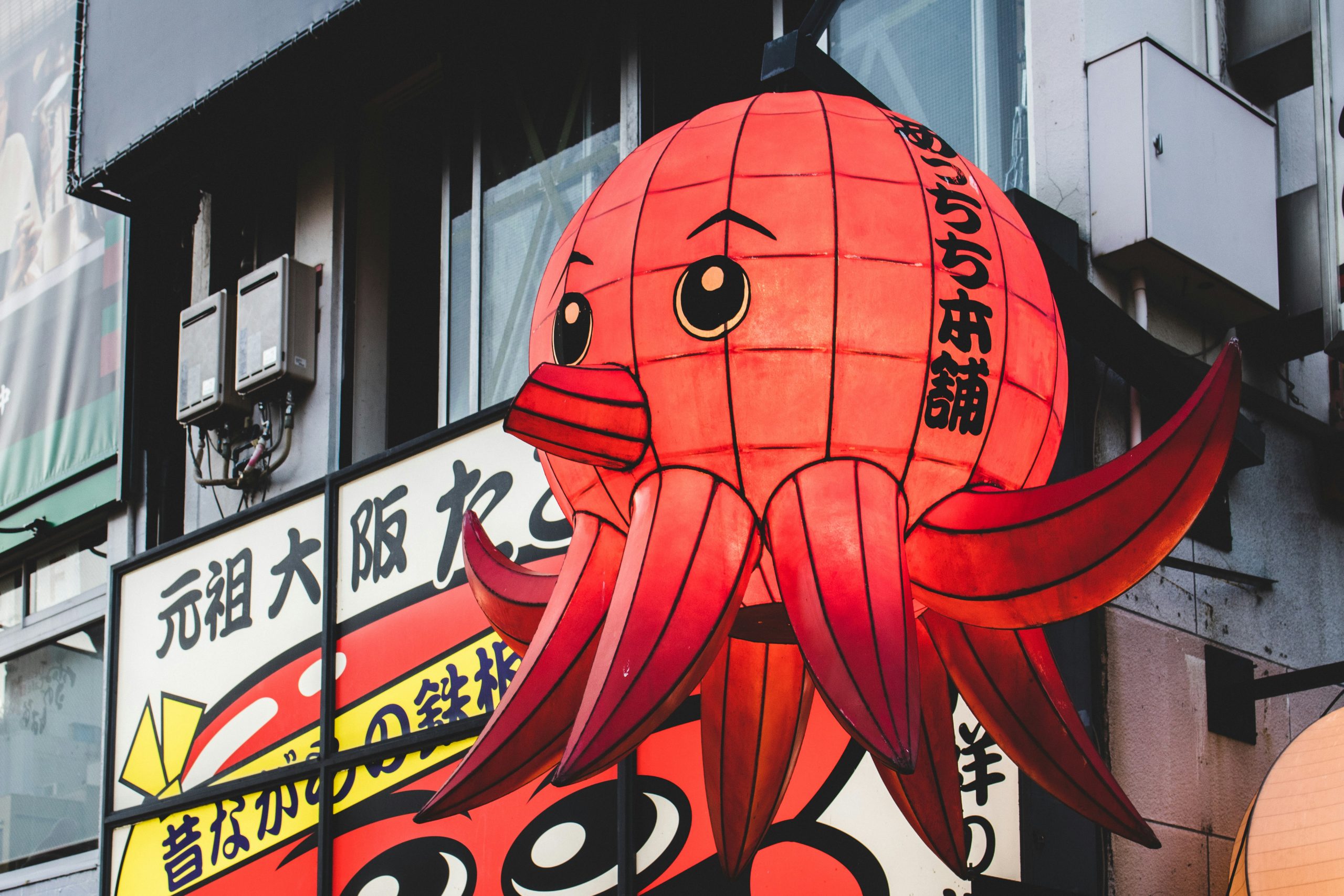
If you’ve ever visited Japan, chances are you’ve come across takoyaki, those bite-sized, golden spheres filled with tender octopus, topped with savory sauce, bonito flakes, and a drizzle of mayonnaise. But have you ever wondered where this iconic street food comes from? Let’s take a dive into the delicious history of takoyaki!
Humble Beginnings: A Taste of Osaka
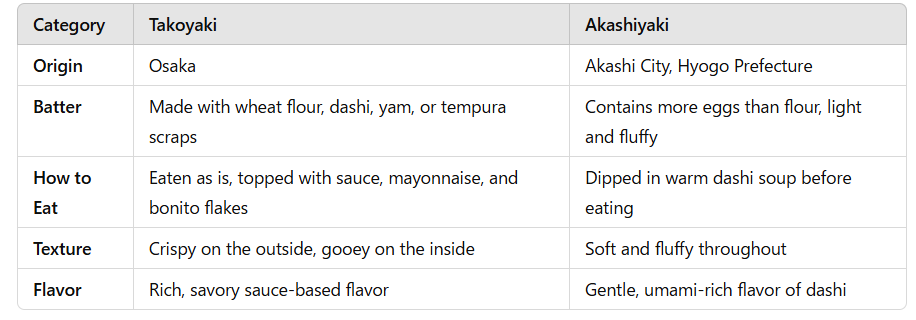
Takoyaki, as we know it today, was born in Osaka in 1935. Its creation is credited to an enterprising street vendor named Tomekichi Endo, who was inspired by a dish from Western Japan called akashiyaki. Akashiyaki is a simple snack made of octopus and eggs, popular in Akashi, Hyogo Prefecture. Unlike modern takoyaki, it is dipped in dashi soup before eating.
Endo decided to innovate by adding wheat flour, shaping the batter into small round balls, and frying them in a specially designed pan. This not only made the snack more portable but also gave it its characteristic crisp exterior and soft, gooey center. To enhance the flavor, he added a savory sauce, which has become a defining feature of takoyaki.
From Local Snack to Cultural Icon
Takoyaki quickly gained popularity in Osaka and spread to other parts of Japan. In the post-war period, its affordability and rich flavor made it a favorite street food during difficult economic times. Over the decades, it evolved into a symbol of Osaka’s vibrant food culture, with dedicated shops, street vendors, and even festivals celebrating its deliciousness.
Today, Osaka is still considered the “capital of takoyaki,” with countless stalls and restaurants offering their own twist on the classic dish. From the bustling streets of Dotonbori to local neighborhood festivals, takoyaki is a must-try for anyone visiting the city.
The Octopus Connection
Why octopus? The answer lies in Osaka’s proximity to the sea and its long-standing reputation as a culinary hub. Octopus, or “tako” in Japanese, has been a popular ingredient in Japanese cuisine for centuries. Its firm texture and unique taste made it the perfect filling for this innovative snack.
For centuries, octopus has been celebrated in cuisines worldwide. From Mediterranean grilled octopus to Spanish pulpo a la gallega, its tender texture and delicate flavor have delighted food lovers everywhere. But in Japan, octopus takes on a whole new form—wrapped in a warm, fluffy batter, seasoned to perfection, and topped with irresistible sauces.
Octopus isn’t just tasty—it’s also packed with health benefits! It’s a lean source of high-quality protein and rich in nutrients like vitamin B12, iron, and omega-3 fatty acids. Combined with takoyaki’s light, fluffy batter and flavorful toppings, it’s the perfect snack for a guilt-free indulgence.
Takoyaki Goes Global
Thanks to the global popularity of Japanese cuisine, takoyaki has made its way to international markets. You can now find takoyaki stalls in major cities around the world, from Los Angeles to Bangkok. It’s often served as a street food or at Japanese festivals, allowing people from all over to experience this uniquely Japanese delight.
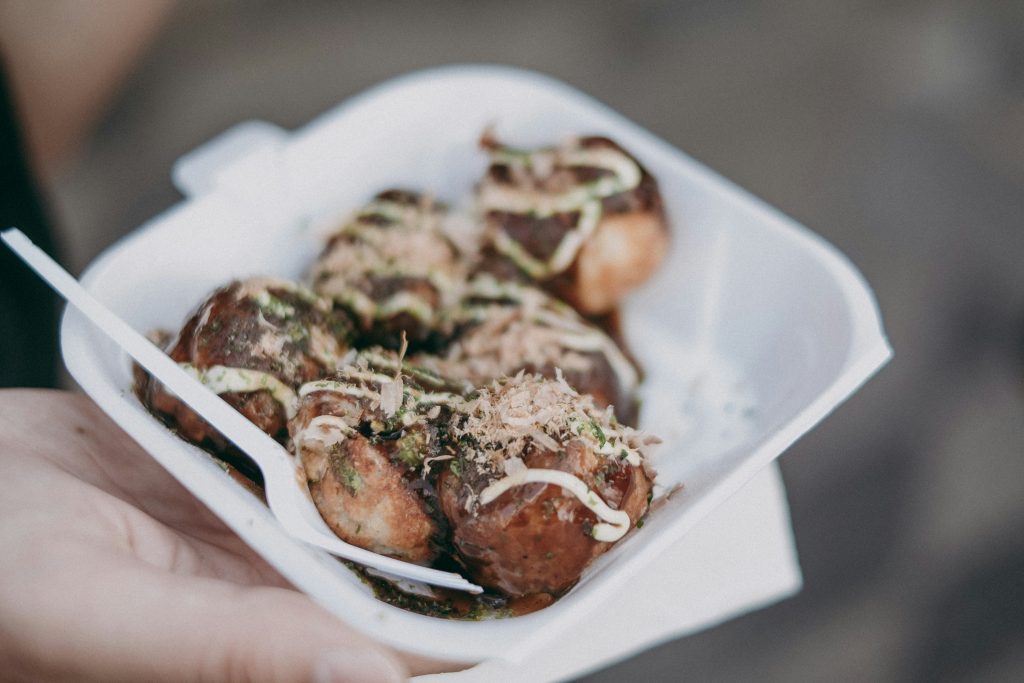
Eating takoyaki is an experience in itself! They’re typically served piping hot, so be careful not to burn your mouth. The toppings can vary, but traditional takoyaki is garnished with:
- Takoyaki sauce (similar to Worcestershire sauce)
- Katsuobushi (bonito flakes that seem to “dance” from the heat)
- Aonori (seaweed flakes)
- Mayonnaise
Some variations include fillings like cheese, shrimp, or even mochi. No matter how you enjoy it, takoyaki offers a perfect balance of crispy, creamy, savory, and umami flavors.
Note the difference from “Akashiyaki”
As mentioned at the beginning, While similar to takoyaki, there is a distinctly different dish called Akashiyaki. Akashiyaki is a traditional dish originating from Akashi City in Hyogo Prefecture and is also known as “tamago-yaki” (egg pancake). It is characterized by its fluffy, soft texture, with a batter that contains more eggs than flour, giving it a delicate flavor enhanced by dashi (Japanese soup stock).
The dish includes pieces of octopus as its filling, but unlike takoyaki, Akashiyaki is typically enjoyed by dipping the cooked pieces into warm dashi soup before eating.
This dish has been loved locally since the Edo period and is considered one of the inspirations for takoyaki. Its simple and gentle taste offers a more refined way to enjoy octopus-filled treats. Be sure to try both dishes and savor their unique qualities!
Takoyaki: More Than Just a Snack
Takoyaki is more than just food—it’s a cultural icon and a source of local pride for the people of Osaka. It represents the creativity and resilience of Japanese cuisine and continues to bring people together, whether at a festival, a street corner, or even halfway across the world.
Next time you bite into a piece of takoyaki, remember the rich history and passion that went into creating this beloved dish. It’s more than just a snack—it’s a taste of Japan’s heart and soul.

コメント